
Excavation Services in West Valley City, UT
AccuRite Excavation provides excavation, grading, and demolition in West Valley City, Utah. Serving the largest west-side city in Salt Lake County with residential and commercial site prep. Call (801) 814-6975.
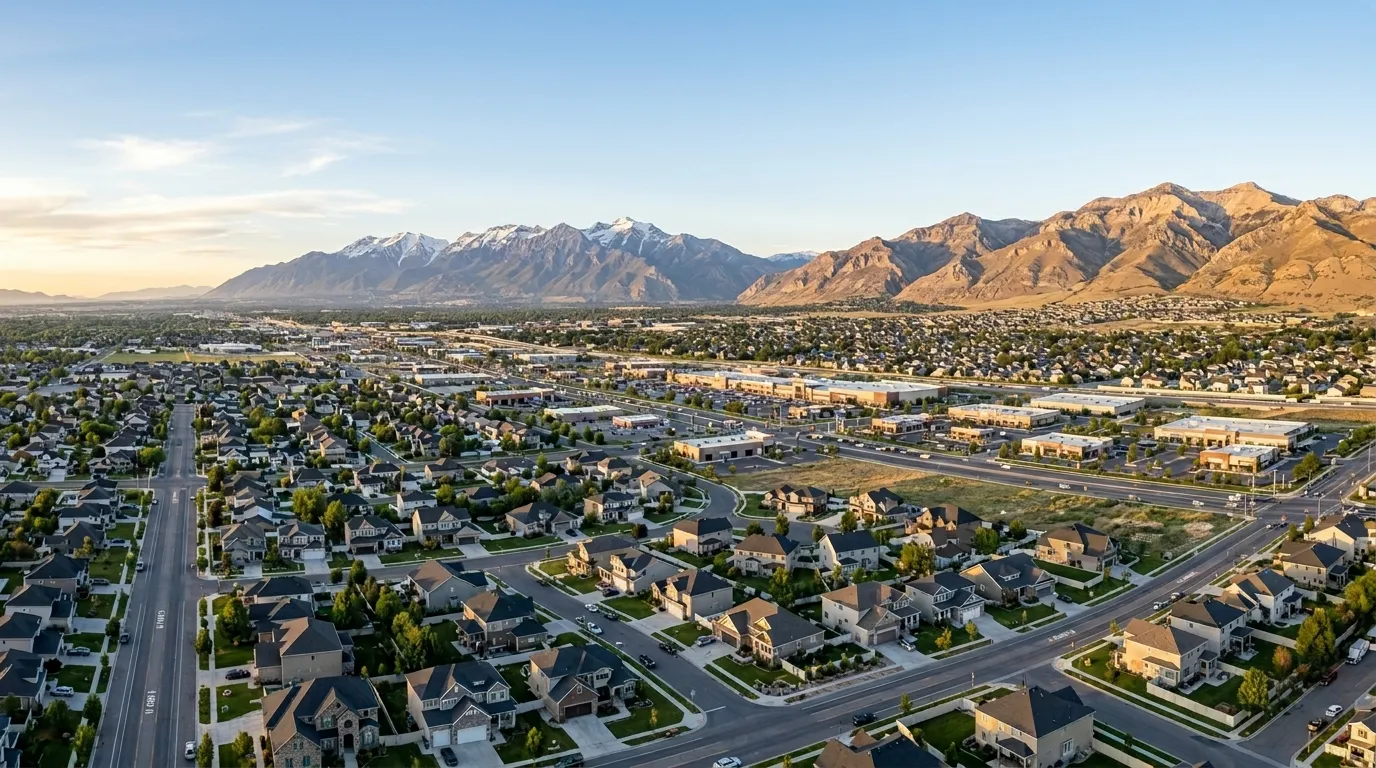
West Valley City covers a lot of ground — literally. From the Jordan River on the east to the Oquirrh Mountain foothills on the west, this city spans the full width of the western Salt Lake Valley. That breadth means the excavation work varies more within West Valley City’s borders than it does between many neighboring cities. The east side is clay country. The west side is alluvial fan terrain. In between, the soil transitions gradually, and the development patterns change with it. AccuRite Excavation works the full range.
East Side: Clay, Age, and the Jordan River
The neighborhoods east of Redwood Road — the areas along 3100 South, 3500 South, and the residential blocks approaching the Jordan River — represent some of the oldest development in West Valley City. Homes from the 1970s and 1980s sit on Bonneville clay that has been fighting their foundations since the concrete cured.
Foundation repair excavation is a steady part of our West Valley City work. The pattern is consistent: clay absorbs moisture in spring and swells, then dries and shrinks in summer, creating a push-pull cycle that cracks basement walls, shifts footings, and opens gaps between slabs. After 40 to 50 years of this, many homes need professional attention.
We excavate around the foundation perimeter to expose the footing, allowing waterproofing, crack repair, reinforcement, or underpinning. Then we install drain tile and backfill with gravel to give the foundation the drainage protection it should have had from the start. This type of residential excavation is detail work that requires a crew familiar with aging foundations.
Utility Replacement
The same neighborhoods that need foundation work also need utility work. Original sewer laterals, water services, and storm drains from the 1970s have exceeded their design life in many cases. We handle underground utility replacement throughout the east side, from individual residential services to larger public infrastructure projects.
West Side: Growth Toward the Oquirrh Foothills
Western West Valley City has been a growth area, with new residential development pushing toward the Oquirrh Mountain front. The soil here is different from the east side — Oquirrh alluvial fan deposits with more gravel and sand in the mix, and less of the pure clay that dominates the valley floor.
This alluvial material is generally easier to work with for building purposes. It drains better and doesn’t have the severe expansion-contraction cycles of Bonneville clay. But it can include caliche layers — calcium carbonate cemented zones that are harder to dig than regular soil and don’t let water through. When we hit caliche, it needs to be broken or removed where it would interfere with foundations or drainage.
New residential construction on the west side follows the standard sequence: lot grading, foundation excavation, utility connection trenching, and final grade. The coarser soil compacts differently than clay, and we adjust our compaction methods and moisture control to match the material.
The 3500 South Commercial Corridor
3500 South is West Valley City’s main commercial street, running east-west from the I-215 interchange deep into the city. The corridor has a mix of older commercial properties and newer development, and the churn creates demolition and site clearing work.
Commercial site preparation along 3500 South involves removing existing structures, clearing old foundations and utilities, grading to new elevations, and installing utility connections for the new development. The high-traffic corridor requires traffic management planning during excavation, and the density of underground utilities along a major road demands careful utility locate work before the first cut.
USANA Amphitheatre and Surrounding Development
The area around USANA Amphitheatre in western West Valley City has seen commercial and entertainment-oriented development. Site preparation in this area involves the alluvial fan soils typical of western West Valley City — coarser than the east side, with the potential for caliche.
The USANA area also represents the transition zone between the developed valley floor and the less developed land approaching the Oquirrh foothills. As development continues to push west, new infrastructure — roads, utilities, stormwater systems — needs to be installed, and excavation is the first step. We also provide hauling and material delivery for projects that need fill, gravel, or debris removal.
Grading and Drainage Across the City
West Valley City’s flat-to-gently-sloping terrain means surface drainage has to be engineered, not assumed. On the clay-heavy east side, poor soil drainage compounds the flat terrain problem. On the west side, the better-draining alluvial material helps, but grading still needs to direct water away from structures and toward the stormwater system.
We grade every project site for proper drainage — residential and commercial. For properties with persistent drainage problems, we install French drains, regrade yards, and add subsurface drainage to redirect water.
Valley Fair Mall Area
The Valley Fair Mall area and surrounding commercial district near 3500 South and West Valley City center has been a focus of the city’s economic development efforts. Redevelopment of aging commercial properties in this area generates demolition, site clearing, and new construction excavation.
Serving West Valley City and the West Valley
West Valley City borders Taylorsville to the south, West Jordan to the southwest, and Salt Lake City to the east and north. We work throughout the west valley and adjust our approach based on whether we’re in the clay east or the alluvial west. Call (801) 814-6975 for a free estimate on your West Valley City project.
Soil Conditions in West Valley City
West Valley City's soil ranges from Bonneville clay on the eastern valley floor to Oquirrh Mountain alluvial fan deposits on the western side. The eastern half near the Jordan River has deep clay with a moderate water table. The central area has mixed clay and alluvial deposits. The western side approaching the Oquirrh foothills transitions to coarser gravel and sand with potential caliche layers. The variation across the city means soil conditions need to be evaluated property-by-property — a lot near 1200 West digs very differently than a lot near 5600 West.
Permits & Regulations
West Valley City handles building and excavation permits through its Community and Economic Development Department. Permits are required for foundation work, utility trenching, retaining walls, demolition, and grading. The city has stormwater management requirements for new development and redevelopment that affect site grading plans. Large-scale commercial projects go through a more extensive review process. We coordinate all permits and inspections for every West Valley City project.
Excavation Services in West Valley City
Residential Excavation
Foundation digs, basement excavation, grading, and site preparation for homes across the Wasatch Front.
Learn moreCommercial Projects
Large-scale commercial excavation including building pads, parking lots, subdivisions, and multi-family developments.
Learn moreGovernment Projects
Government and military excavation contracts with security clearance, bonding, and full compliance.
Learn moreRock Walls & Retaining Walls
Engineered boulder retaining walls and decorative rock walls for residential and commercial properties along the Wasatch bench.
Learn moreUnderground Utilities
Water lines, sewer lines, storm drain, gas, and utility trenching for residential and commercial projects.
Learn moreGrading & Land Clearing
Land grading, lot clearing, and site preparation for residential and commercial construction projects.
Learn moreLand Clearing
Lot clearing, tree and brush removal, stump removal, and site clearing across Weber and Davis counties.
Learn moreDemolition
Residential and commercial structure demolition, concrete removal, and debris hauling.
Learn moreSeptic Systems
Septic tank installation, repair, replacement, and perc testing for rural properties in Northern Utah.
Learn moreHauling & Delivery
Material delivery (gravel, topsoil, fill dirt, sand) and debris removal/hauling services.
Learn moreWater Features & Ponds
Custom pond construction, waterfalls, water gardens, and decorative water feature excavation.
Learn moreExcavation FAQs for West Valley City
How does soil vary across West Valley City?
What commercial excavation do you do in West Valley City?
Is foundation repair common in West Valley City?
Also Serving Nearby Cities
Start Your West Valley City Project Today
Call Shawn directly or request a free estimate for your West Valley City excavation project.