
Excavation Services in Holladay, UT
AccuRite Excavation provides excavation, foundation work, and retaining walls in Holladay, Utah. Experienced with the city's established homes, Mt. Olympus foothills, and Big Cottonwood Creek corridor. Call (801) 814-6975.
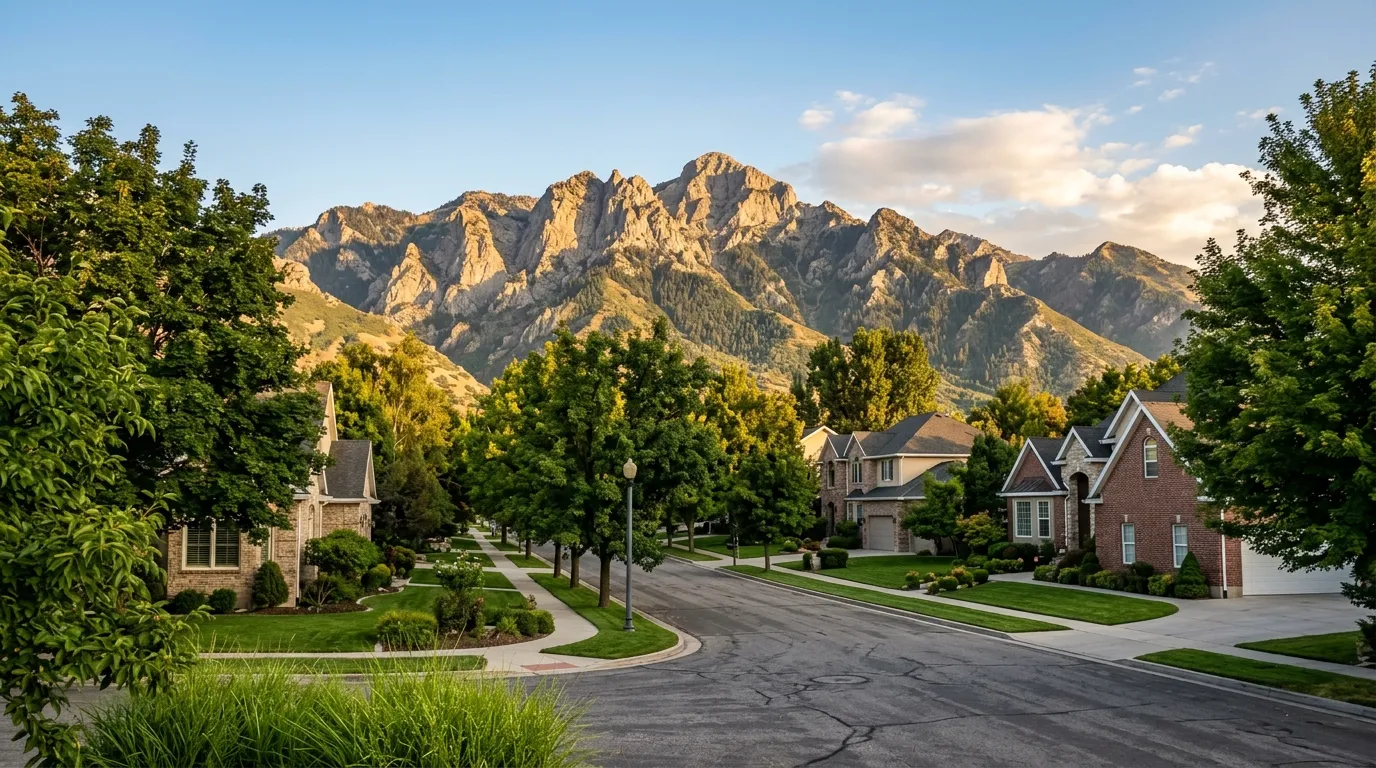
Holladay is where the Salt Lake Valley’s suburban character gives way to mountain-front terrain, and the excavation work tells that story. The western part of the city around the Cottonwood Mall area has the familiar challenges of valley floor clay — foundation stress, drainage problems, aging utilities. But drive east on Murray Holladay Road or 4500 South and within a mile you’re into a different world: rocky ground, steep lots, Mt. Olympus looming overhead, and excavation conditions that have nothing in common with the flatlands behind you.
The Established West Side
Holladay’s western neighborhoods — the areas near Cottonwood Mall, along Highland Drive, and between 4500 South and 6200 South on the flatter terrain — contain some of the valley’s most desirable mid-century residential properties. Large lots with mature trees, single-story ranch homes from the 1960s, and a neighborhood character that newer communities try to replicate but can’t.
These homes are also 50 to 60 years old, and the Bonneville clay has been at work. Foundation cracks, basement moisture, settling driveways, and failing sewer laterals are the symptoms that bring excavation crews to these blocks.
Foundation Repair and Waterproofing
We do a significant amount of foundation repair excavation in western Holladay. The process involves digging down along the exterior foundation wall to the footing — usually six to eight feet — to give repair contractors access to the concrete. On homes this age, we sometimes find the original foundation was poured directly against native clay without any drainage or waterproofing. Adding these components during the repair phase is critical.
After repairs are complete, we backfill with drainage gravel, install perimeter drain tile routed to daylight or a sump, and regrade the surface to shed water away from the house. This drainage improvement is often the most impactful part of the project.
Tear-Down Rebuilds
Holladay has seen a trend of older homes being demolished and replaced with new construction that maximizes the premium lots. We handle the demolition sequence — structure removal, foundation demolition, debris hauling, and site clearing — to prepare lots for new construction. The older sewer services and water lines also get replaced during these projects.
Big Cottonwood Creek Corridor
Big Cottonwood Creek flows from the canyon through the heart of Holladay, roughly following 4800 South before turning south. The creek shapes excavation conditions for nearby properties in several ways.
The alluvial deposits along the creek are coarser than the surrounding valley floor — more gravel and cobble, less clay. These properties dig differently and drain better. But the creek also elevates the water table in spring during snowmelt runoff from the Wasatch. Projects near the creek between April and June may need dewatering.
Some creek-adjacent properties fall within FEMA flood zones, affecting foundation design and permitting. The Holladay City sensitive lands overlay may also apply near the creek corridor, adding environmental review to the permit process.
Climbing Toward Mt. Olympus
The eastern half of Holladay rises steadily toward the massive west face of Mt. Olympus. The mountain is one of the most recognizable features on the Wasatch Front, and the homes below it sit on terrain that the mountain created.
Alluvial fan deposits from the drainages flanking Mt. Olympus have spread rocky material across the eastern neighborhoods. As you move east of 2300 East and uphill, the soil transitions from clay-dominant to gravel-dominant, with quartzite cobble and granite fragments increasing in size and frequency.
Properties on the upper streets — Olympus Cove, the neighborhoods above Holladay Boulevard, and the lots approaching the Mt. Olympus trailhead — sit on genuinely rocky terrain. Foundation excavation here means hydraulic hammering, boulder management, and the kind of slow, deliberate digging that moraine deposits demand.
Retaining Walls in the Foothills
Sloped lots in eastern Holladay need retaining walls for building pads, driveways, and yard terracing. The rocky material provides good bearing for wall foundations but requires more effort to excavate for the wall footing. We use natural stone walls extensively in the Holladay foothills — the quartzite and granite available from local sources complement the mountain setting.
Highland Drive Corridor
Highland Drive through Holladay serves as both a commercial corridor and a neighborhood dividing line. Older commercial properties along Highland Drive are being updated, generating commercial excavation work for demolition and site prep.
The soil along Highland Drive is transitional — moving from valley floor clay on the west to rockier alluvial deposits on the east. The specific conditions at each property determine the excavation approach and cost.
Utility Work in Established Neighborhoods
Throughout Holladay, the established housing stock needs ongoing utility replacement. Sewer laterals, water services, and storm drains from the original construction are reaching or exceeding their service life. We handle residential utility excavation with attention to preserving the mature landscaping and large trees that define Holladay’s neighborhood character.
Serving Holladay and the East Bench
Holladay borders Cottonwood Heights to the south, Murray to the west, and Salt Lake City (Millcreek area) to the north. We work throughout the east bench corridor. Call (801) 814-6975 for a free estimate on your Holladay project.
Soil Conditions in Holladay
Holladay's soil grades from west to east. The western side near the Cottonwood Mall area has Bonneville clay and alluvial deposits — standard valley floor material. Moving east, the Big Cottonwood Creek corridor introduces gravel and cobble from the canyon. Properties east of 2300 East and climbing toward Mt. Olympus sit on increasingly rocky alluvial and moraine deposits with quartzite and granite fragments. The upper properties near the mountain front hit rock at shallow depths. The creek corridor has an elevated water table during spring runoff.
Permits & Regulations
Holladay City processes building and excavation permits through its Building Department. The city has a sensitive lands overlay that affects properties on steep slopes, near creeks, and in other environmentally sensitive areas. Retaining walls, foundation work, and grading require permits. Upper foothill properties may need geotechnical reports. We handle all permit coordination for Holladay projects.
Excavation Services in Holladay
Residential Excavation
Foundation digs, basement excavation, grading, and site preparation for homes across the Wasatch Front.
Learn moreCommercial Projects
Large-scale commercial excavation including building pads, parking lots, subdivisions, and multi-family developments.
Learn moreGovernment Projects
Government and military excavation contracts with security clearance, bonding, and full compliance.
Learn moreRock Walls & Retaining Walls
Engineered boulder retaining walls and decorative rock walls for residential and commercial properties along the Wasatch bench.
Learn moreUnderground Utilities
Water lines, sewer lines, storm drain, gas, and utility trenching for residential and commercial projects.
Learn moreGrading & Land Clearing
Land grading, lot clearing, and site preparation for residential and commercial construction projects.
Learn moreLand Clearing
Lot clearing, tree and brush removal, stump removal, and site clearing across Weber and Davis counties.
Learn moreDemolition
Residential and commercial structure demolition, concrete removal, and debris hauling.
Learn moreSeptic Systems
Septic tank installation, repair, replacement, and perc testing for rural properties in Northern Utah.
Learn moreHauling & Delivery
Material delivery (gravel, topsoil, fill dirt, sand) and debris removal/hauling services.
Learn moreWater Features & Ponds
Custom pond construction, waterfalls, water gardens, and decorative water feature excavation.
Learn moreExcavation FAQs for Holladay
What are the soil conditions near Mt. Olympus?
Do older Holladay homes need special excavation care?
Can you work near Big Cottonwood Creek?
Also Serving Nearby Cities
Start Your Holladay Project Today
Call Shawn directly or request a free estimate for your Holladay excavation project.